
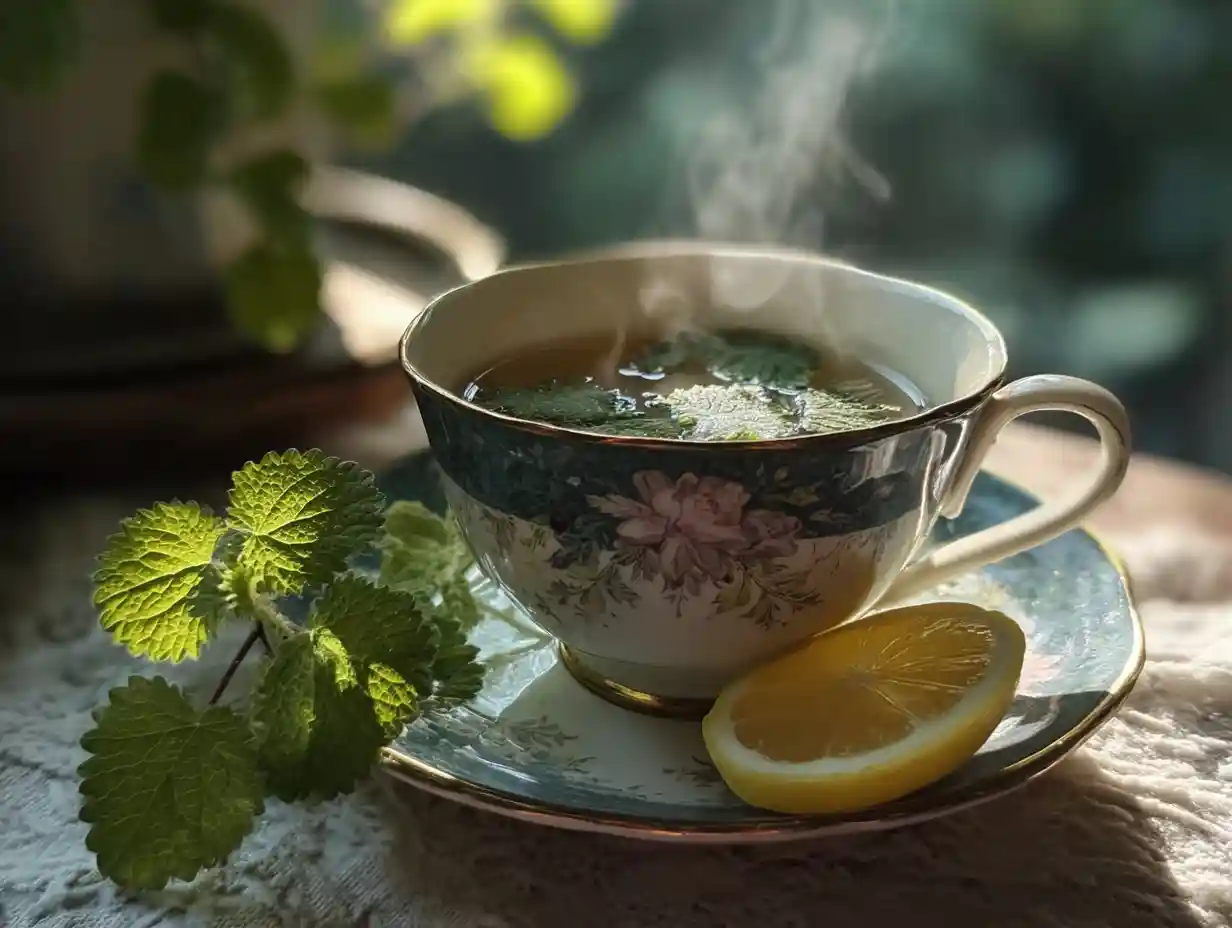
It was one of those days, you know? The kind where my to-do list seemed endless, and my mind was racing a mile a minute. That’s when I remembered the little patch of lemon balm thriving in my garden.
A quick harvest, a simple steep, and suddenly, a cup of homemade lemon balm tea was in my hands, promising a moment of calm. And that’s exactly what I want to share with you: my easy lemon balm tea recipe, ready in under 15 minutes!
Table of Contents
Why You Should Make This Lemon Balm Tea Recipe
This isn’t just any tea; it’s a little cup of sunshine that I swear will help you calm down, especially with all of the stress of everyday life. This recipe is:
- Incredibly refreshing, with a light, lemony flavor that’s perfect any time of day.
- Naturally caffeine-free, making it an ideal evening beverage.
- Easy to customize; you can adjust the sweetness and add other herbs or spices to suit your taste.
- Made with simple ingredients that you can easily find or even grow yourself.
What is Lemon Balm?
Lemon balm (Melissa officinalis) is a fragrant herb in the mint family. Its leaves have a light green color and a distinct lemony scent, making it a favorite in gardens and kitchens alike. Beyond its culinary uses, lemon balm has been used traditionally for its calming properties and potential health benefits.
For another comforting recipe, try this Comforting Greek Lemon Chicken Soup (Avgolemono).
Health Benefits of Lemon Balm Tea Recipe
Lemon balm tea isn’t just delicious; it’s also packed with potential health benefits. Studies have shown that lemon balm has calming effects, helping to reduce stress and anxiety. Its rosmarinic acid content acts as a GABA transaminase inhibitor, increasing GABA levels in the brain, which can promote relaxation.
The herb has also shown to be useful as an antioxidant, immuno-stimulant, antihormonal, anti-cancer and a colic treatment.
For those of us who tend to reach for comfort food when stressed, lemon balm might also offer support for weight loss by managing stress-related eating habits. Furthermore, lemon balm has been shown to support digestive health by soothing the stomach and reducing bloating. It’s also rich in antioxidants, which help protect your body against cell damage.
If you’re looking for other light and easy recipes, explore our collection of snacks and drinks.
Ingredients for the Best Lemon Balm Tea Recipe
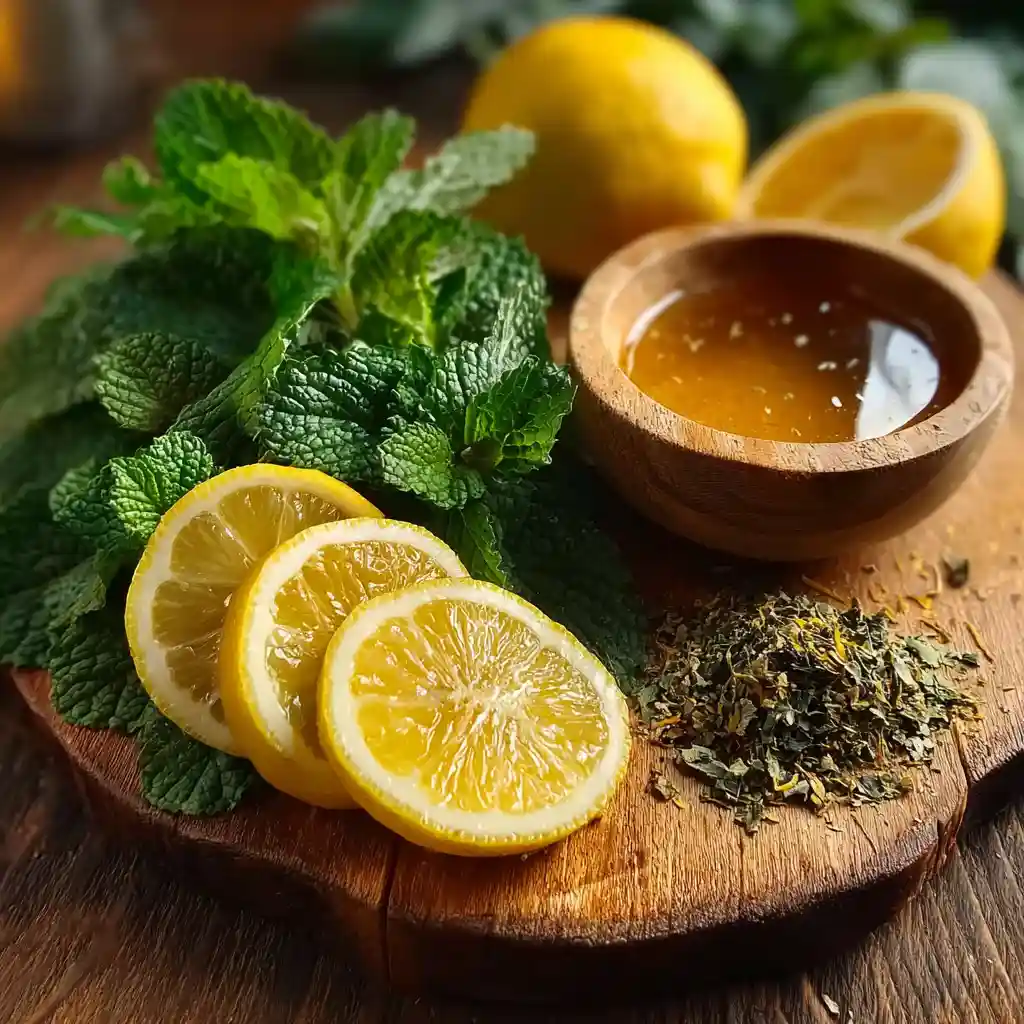
Here’s what you’ll need to make a cup of my go-to lemon balm tea:
- fresh lemon balm leaves
- water
- honey
- lemon
Fresh lemon balm is best, but you can use dried. Use about 1-2 teaspoons of dried lemon balm per cup of water.
How to Make Lemon Balm Tea Recipe: Step-by-Step Instructions
Ready to brew a cup of serenity? Here’s how I make my lemon balm tea:
- Pluck a handful of lemon balm leaves, and place them, still fresh, into a pot.
- Boil water.
- Pour it over the leaves. Leave the leaves to soak for 10 minutes, then remove them.
- Let the tea cool slightly.
- Pour the tea into a glass pitcher, add some lemon, and sweeten with honey to your liking.
- Add a few ice cubes, a lemon wedge, and a few lemon balm leaves for decoration.
- Enjoy chilled!
Iced Lemon Balm Tea Variation
For a refreshing iced version, simply follow the steps above for making hot lemon balm tea. Let the tea cool completely before pouring it over ice. This prevents the ice from melting too quickly and diluting the flavor. Garnish with extra lemon slices and fresh lemon balm leaves for an extra burst of flavor.
Other Delicious Lemon Balm Tea Recipe Variations
| Herb | Ratio (to Lemon Balm) | Flavor Profile |
|---|---|---|
| Ginger | 1:1 | Spicy, warm, and invigorating |
| Mint | 1:1 | Cool, refreshing, and slightly sweet |
| Cinnamon | 1 stick per pot | Warm, sweet, and adds a touch of spice |
| Lemon Verbena | 1:1 | Intense lemon flavor, slightly sweeter than lemon balm |
| Chamomile | 1:1 | Floral, sweet, and very calming |
| Lavender | 1:2 | Floral, slightly sweet, and aromatic |
Growing Your Own Lemon Balm
Growing lemon balm at home is super easy and rewarding. It thrives in well-drained soil and prefers partial shade to full sun. You can propagate it from seeds or cuttings. Harvest the leaves as needed throughout the growing season, and watch it flourish!
Where to Buy Lemon Balm
If you don’t have a green thumb or can’t find fresh lemon balm, don’t worry! You can purchase lemon balm seeds, plants, or dried leaves from various sources. Check your local nurseries and garden centers for plants and seeds. For dried leaves, reputable online sources like Mountain Rose Herbs and Amazon offer high-quality options.
How to Avoid Bitter Lemon Balm Tea
Sometimes, lemon balm tea can turn out bitter. To avoid this, don’t over-steep the leaves; 10 minutes is usually perfect. Using fresh leaves also helps, as dried leaves can sometimes develop a bitter taste.
Storing Lemon Balm Tea and Leaves
Brewed lemon balm tea can be stored in the refrigerator for up to 24 hours. For longer storage, properly drying lemon balm leaves is key. To dry them, spread the leaves in a single layer on a clean cloth or screen in a cool, dark, and well-ventilated area. Once they are completely dry and brittle, store them in an airtight container away from light and moisture.
Lemon Balm vs. Other Mint Family Herbs
While lemon balm belongs to the mint family, its flavor profile is distinctly lemony, unlike the cooler, sharper taste of peppermint or spearmint. In terms of benefits, lemon balm is particularly known for its calming effects, whereas other mints might be favored for digestive support. The medicinal use of lemon balm dates back into ancient times.
Is Lemon Balm Tea Safe for Children?
Lemon balm tea is generally considered safe for children in small amounts. However, it’s always best to consult with a pediatrician before introducing any new herbal remedy to a child’s diet. Dosage recommendations vary, but a small cup of diluted tea can sometimes help with restlessness or mild anxiety.
Lemon Balm Tea and Pregnancy/Breastfeeding
If you’re pregnant or breastfeeding, it’s best to consult with your doctor before trying lemon balm tea. While it’s generally considered safe, individual reactions can vary, and professional medical advice is always recommended.
Side Effects and Precautions of Lemon Balm Tea
Lemon balm tea is generally well-tolerated, but it can interact with certain medications, particularly those used for sedation or thyroid conditions. If you’re taking any medications or have underlying health conditions, it’s best to consult with your doctor before consuming lemon balm tea regularly.
FAQs about Lemon Balm Tea Recipe
Can I use dried lemon balm instead of fresh for this lemon balm tea recipe?
Yes, you can! While fresh lemon balm offers the best flavor, dried lemon balm works well too. Use about 1-2 teaspoons of dried lemon balm per cup of water.
How often should I drink lemon balm tea?
While lemon balm tea is gentle, it’s best not to overdo it. I recommend 1-2 cups a day. Of course, it’s always a good idea to chat with a healthcare professional for personalized advice.
How long can I store brewed lemon balm tea?
You can store brewed lemon balm tea in the refrigerator for up to 24 hours. After that, the flavor and potency may diminish.
Can I mix lemon balm with other herbs in my tea?
Absolutely! Lemon balm pairs wonderfully with other calming herbs like chamomile and lavender, as well as refreshing herbs like mint and lemon verbena. Experiment to find your favorite blend!
What are the side effects of lemon balm tea?
Lemon balm tea is generally well-tolerated, but some people may experience mild side effects such as drowsiness or stomach upset.
Conclusion
So there you have it: my simple, soothing lemon balm tea recipe. I hope this little cup of sunshine brings a bit of calm and joy to your day. Now, I’d love to hear from you! Have you tried lemon balm tea before, or are you excited to give this recipe a try? Share your thoughts and questions in the comments below, and don’t forget to follow us on Pinterest.

Easy Lemon Balm Tea Recipe for Ultimate Relaxation
Ingredients
Equipment
Method
- Pluck a handful of lemon balm leaves, and place them, still fresh, into a pot.
- Boil water.
- Pour it over the leaves. Leave the leaves to soak for 10 minutes, then remove them.
- Let the tea cool slightly.
- Pour the tea into a glass pitcher, add some lemon, and sweeten with honey to your liking.
- Add a few ice cubes, a lemon wedge, and a few lemon balm leaves for decoration.
- Enjoy chilled!