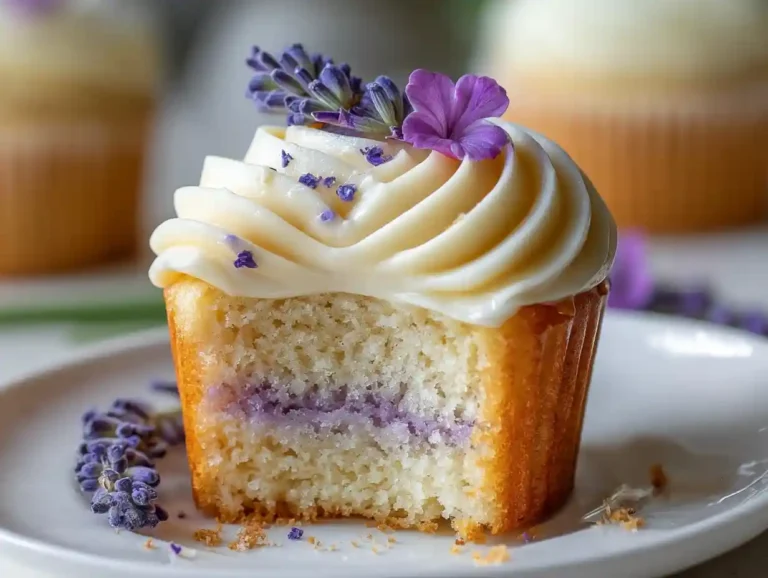

There’s a certain magic that happens when you combine the comforting warmth of a classic Earl Grey tea latte with the joy of baking. For me, the London Fog drink has always felt like a cozy hug in a mug, and I’ve been dreaming of translating that feeling into a cake for ages.
After a few delightful kitchen experiments, I’m so excited to share this London Fog Cake recipe with you. It’s a truly special bake, designed to bring that same comforting embrace to your table, and it’s surprisingly accessible for any home baker. Get ready for a delicious adventure!
Table of Contents

London Fog Cake
Ingredients
Equipment
Method
- Preheat your oven to 350°F (175°C). Grease a 9×9 inch light metal baking pan and line it with parchment paper. In a food processor, add the Earl Grey tea and lavender and pulse until finely ground. Pass this mixture through a sieve to separate any large bits. In a medium bowl, whisk together the flour, the ground Earl Grey tea and lavender mixture, baking powder, baking soda, and salt. Set this dry ingredient mixture aside. In a large bowl, cream together the softened butter and granulated white sugar with an electric mixer on high speed for 2 minutes until light and fluffy. Add in the eggs and vanilla bean paste and mix on medium speed until pale in color and smooth, about 1 minute. Now, add in the buttermilk and the dry ingredients a little bit at a time, mixing on low speed until just combined and the batter is smooth. Be sure to scrape the sides of the bowl with a rubber spatula as needed. Pour the batter evenly into your prepared pan. Bake the cake for 38-44 minutes, or until a toothpick inserted into the center comes out clean. Let the cake cool in the pan on a wire rack for 30 minutes. Then, carefully lift the cake out of the pan using the parchment paper and let it continue cooling on the rack until completely cooled.
- While your cake is cooling, let’s prepare the soak. Add the whole milk to a small saucepan and heat it over low heat until steaming, then stir in the Earl Grey tea and lavender. Let this mixture steep for 15 minutes, then remove it from the heat. Strain the mixture through a sieve and allow the infused milk to cool completely. Once cooled, transfer the Earl Grey milk to a liquid measuring cup or a similar pouring vessel. Stir in the sweetened condensed milk and the 1/2 tsp of vanilla bean paste. Set this aside until ready to use.
- For the frosting, first add the culinary lavender to a food processor and pulse until finely ground. Sift this ground lavender to remove any larger pieces. In a large mixing bowl, beat the softened butter with an electric mixer on high speed until it’s pale and fluffy, about 5 minutes. Add in the cold cream cheese and continue mixing on high speed until fluffy, about 1 minute. Sift in the powdered sugar, then add the ground lavender and 1 tsp vanilla bean paste. Mix on low speed until just combined, then increase to high speed for 1 minute until the frosting is fluffy again. If you’d like, add a touch of purple food coloring and mix until evenly combined.
- Once the cake is completely cool, use a sharp knife to carefully slice off a very thin layer from the top of the cake. This helps the milk soak absorb more readily. Transfer the cake to your serving plate. Using a wooden skewer or the handle of a wooden spoon (I find the handle of a honey dipper works perfectly for smaller holes), poke holes all over the top of the cake. Slowly and patiently pour the Earl Grey milk mixture over the top of the cake. The thin liquid should absorb easily into the poked holes. Finally, frost the top of the cake with a generous, thick layer of the lavender cream cheese frosting using an offset spatula. Cut the cake into 16 slices and serve your beautiful creation!
Tried this recipe?
Let us know how it was!What is a London Fog Cake? (And Why You’ll Love My Version!)
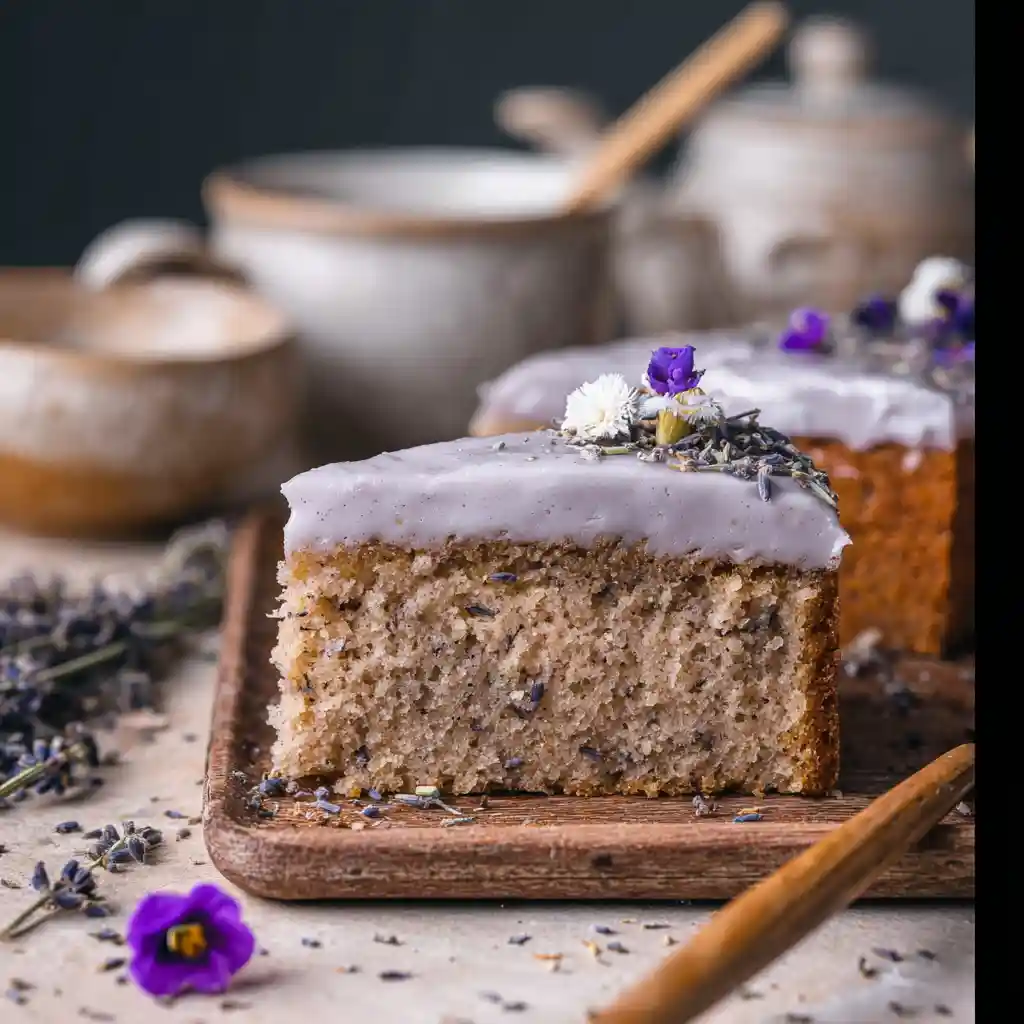
The inspiration for this cake comes from the beloved “London Fog” drink, a delightful concoction of Earl Grey tea, steamed milk, and a whisper of vanilla. It’s that perfect balance of bergamot-infused tea and creamy sweetness that I adore.
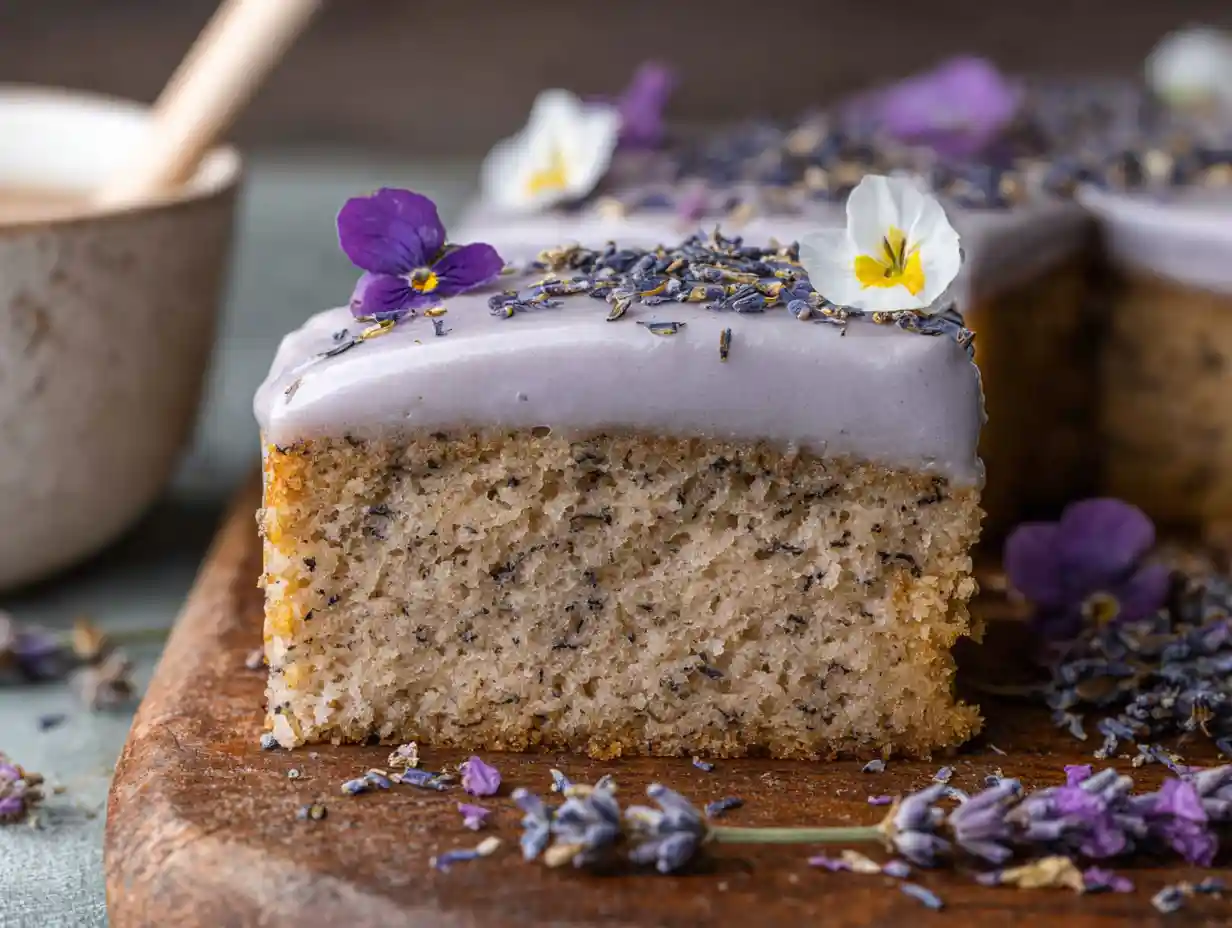
My version captures those iconic flavors, infusing them into a tender, moist cake that’s then soaked in a fragrant Earl Grey milk mixture and crowned with a dreamy lavender cream cheese frosting. What makes this recipe special? It’s the delicate balance of floral and citrus notes from the Earl Grey, the subtle perfume of lavender, and the luscious vanilla cream cheese frosting.
Plus, I’ve made sure the steps are clear and achievable, so you can recreate this little piece of heaven in your own kitchen without any fuss.
The Science Behind a Perfect London Fog Cake: Essential Baking Tips
Baking a truly wonderful cake is a bit like a gentle science experiment, and understanding a few key principles can make all the difference. I love digging into the why behind baking techniques, and I’m happy to share what I’ve learned to help your London Fog Cake turn out perfectly.
Room Temperature Ingredients are Key
You might have heard this tip before, but it’s incredibly important for a smooth, tender cake. When butter and eggs are at room temperature, they emulsify much better with the sugar and other ingredients. This creates a more stable batter with tiny air pockets that expand in the oven, resulting in a lighter, fluffier cake with a wonderfully even crumb. Cold ingredients can cause the batter to curdle or become dense.
Mastering Your Batter: Mixing for Success
The way you mix your batter significantly impacts the final texture. Creaming the softened butter and sugar together for a good two minutes on high speed is crucial. This process aerates the mixture, creating those essential air bubbles that lead to a tender cake. However, once you add the dry ingredients, it’s time to be gentle.
Mix on low speed until just combined. Overmixing at this stage develops the gluten in the flour too much, which can lead to a tough, dense cake. Look for a batter that is smooth and uniform, with no streaks of flour.
The Right Way to Measure Flour
This might seem small, but it’s a game-changer for cake texture. Simply scooping flour directly from the bag with your measuring cup can pack too much into the cup, leading to a dry, dense cake. The best method is to gently spoon the flour into your measuring cup until it’s overflowing, then level it off with a straight edge, like the back of a knife. This “spoon and level” technique ensures you’re using the correct amount of flour, which is vital for achieving that perfect, light crumb.
Choosing the Right Baking Pan
The type of baking pan you use can influence how evenly your cake bakes. For this London Fog Cake, I recommend a light-colored metal pan. Darker pans absorb more heat, which can lead to the edges and bottom of your cake baking too quickly or even burning before the center is done. A light metal pan promotes more even heat distribution, ensuring your cake bakes uniformly. Using a 9×9 inch pan is perfect for the right cake thickness and bake time.
Sourcing Quality Ingredients for Your London Fog Cake
Using the best ingredients is the secret to truly elevating your baking, and this London Fog Cake is no exception. Taking a little extra care in selecting your components can make a world of difference in flavor.
Earl Grey Tea: Loose Leaf vs. Tea Bags
For the most vibrant and authentic Earl Grey flavor in this cake, I highly recommend using loose leaf Earl Grey tea. Loose leaves tend to be of higher quality and have more surface area, allowing for a more potent infusion.
While tea bags can work in a pinch, they often contain more finely ground tea dust, which can result in a less nuanced flavor. For this recipe, I’ve called for finely grinding the loose leaf tea to really infuse its lovely bergamot notes into the cake and soak.
Culinary Lavender: What to Look For
It’s important to note the difference between ornamental lavender and culinary lavender. Ornamental varieties can sometimes have a soapy or bitter taste, which isn’t what we want in our baked goods.
Always ensure you are using food-grade, culinary lavender. You can usually find this in specialty food stores, well-stocked spice shops, or online from reputable vendors. It will have a sweet, floral aroma that’s perfect for complementing the Earl Grey.
Vanilla Bean Paste vs. Extract
While vanilla extract is a pantry staple, vanilla bean paste offers a richer, more intense vanilla flavor and those beautiful little vanilla bean specks that look so lovely in baked goods. It really enhances the overall aroma and taste of the cake and frosting. If you can’t find vanilla bean paste, good quality vanilla extract is a fine substitute, but the paste truly adds an extra layer of luxury.
Buttermilk Alternatives
Don’t have buttermilk on hand? No problem! You can easily make your own substitute. For every cup of buttermilk needed, simply measure out 1 tablespoon of white vinegar or lemon juice into a measuring cup, then fill the rest of the way with whole milk. Let it sit for about 5-10 minutes until it slightly curdles. This will give you the same tenderizing and leavening benefits of buttermilk for your cake batter.
Essential Equipment for Baking Your London Fog Cake
Having the right tools makes the baking process so much more enjoyable and efficient. Here are a few key pieces of equipment that will help you create this beautiful London Fog Cake:
- Food Processor: This is essential for finely grinding the Earl Grey tea and culinary lavender. It ensures the flavors are evenly distributed throughout the batter and soak.
- Electric Mixer: Whether it’s a stand mixer or a hand mixer, this is crucial for creaming the butter and sugar to the right consistency and for making a fluffy frosting.
- Sieve or Fine-Mesh Strainer: You’ll use this to sift your dry ingredients and to strain the tea and lavender from the milk soak, ensuring a smooth texture.
- Offset Spatula: Perfect for spreading the cream cheese frosting smoothly and evenly over the cake.
- 9×9 inch Baking Pan: As mentioned, a light-colored metal pan is ideal for even baking.
- Parchment Paper: This makes removing the cake from the pan a breeze and helps keep it from sticking.
- Rubber Spatula: Useful for scraping down the sides of bowls and ensuring all ingredients are incorporated into the batter.
Ingredients for Your London Fog Cake
Gathering all your ingredients is the first satisfying step in baking! Here’s everything you’ll need, broken down by component for clarity.
For the London Fog Cake
- 3 tbsp (12 g) Earl Grey tea
- 1 tbsp (2 g) culinary lavender
- 2 1/4 cups (282 g) all-purpose flour, spooned and leveled
- 1 1/2 tsp baking powder
- 1/4 tsp baking soda
- 1/2 tsp salt
- 10 tbsp (140 g) unsalted butter, softened
- 1 1/2 cups (300 g) granulated white sugar
- 3 eggs, at room temperature
- 1 tbsp vanilla bean paste
- 1 cup (240 ml) buttermilk
- 1/2 cup (120 ml) whole milk
For the Earl Grey Milk Soak
- 2 tbsp (8 g) Earl Grey tea
- 1/2 tbsp (1 g) culinary lavender
- 1/2 cup (150 g) sweetened condensed milk
- 1/2 tsp vanilla bean paste
For the Lavender Cream Cheese Frosting
- 1 tbsp (2 g) culinary lavender
- 1 cup (224 g) unsalted butter, softened
- 8 oz (226 g) cream cheese, cold
- 2 cups (260 g) powdered sugar
- 1 tsp vanilla bean paste
- purple food coloring (optional)
How to Make the Best London Fog Cake: Step-by-Step Instructions
Now for the fun part – bringing this beautiful cake to life! Take your time, enjoy the process, and trust that your kitchen will soon smell absolutely divine.
Prepare the London Fog Cake
Preheat your oven to 350°F (175°C). Grease a 9×9 inch light metal baking pan and line it with parchment paper. In a food processor, add the Earl Grey tea and lavender and pulse until finely ground. Pass this mixture through a sieve to separate any large bits. In a medium bowl, whisk together the flour, the ground Earl Grey tea and lavender mixture, baking powder, baking soda, and salt.
Set this dry ingredient mixture aside. In a large bowl, cream together the softened butter and granulated white sugar with an electric mixer on high speed for 2 minutes until light and fluffy. Add in the eggs and vanilla bean paste and mix on medium speed until pale in color and smooth, about 1 minute.
Now, add in the buttermilk and the dry ingredients a little bit at a time, mixing on low speed until just combined and the batter is smooth. Be sure to scrape the sides of the bowl with a rubber spatula as needed. Pour the batter evenly into your prepared pan. Bake the cake for 38-44 minutes, or until a toothpick inserted into the center comes out clean.
Let the cake cool in the pan on a wire rack for 30 minutes. Then, carefully lift the cake out of the pan using the parchment paper and let it continue cooling on the rack until completely cooled.
Make the Earl Grey Milk Soak
While your cake is cooling, let’s prepare the soak. Add the whole milk to a small saucepan and heat it over low heat until steaming, then stir in the Earl Grey tea and lavender. Let this mixture steep for 15 minutes, then remove it from the heat. Strain the mixture through a sieve and allow the infused milk to cool completely.
Once cooled, transfer the Earl Grey milk to a liquid measuring cup or a similar pouring vessel. Stir in the sweetened condensed milk and the 1/2 tsp of vanilla bean paste. Set this aside until ready to use.
Prepare the Lavender Cream Cheese Frosting
For the frosting, first add the culinary lavender to a food processor and pulse until finely ground. Sift this ground lavender to remove any larger pieces. In a large mixing bowl, beat the softened butter with an electric mixer on high speed until it’s pale and fluffy, about 5 minutes. Add in the cold cream cheese and continue mixing on high speed until fluffy, about 1 minute.
Sift in the powdered sugar, then add the ground lavender and 1 tsp vanilla bean paste. Mix on low speed until just combined, then increase to high speed for 1 minute until the frosting is fluffy again. If you’d like, add a touch of purple food coloring and mix until evenly combined.
Assemble Your London Fog Cake
Once the cake is completely cool, use a sharp knife to carefully slice off a very thin layer from the top of the cake. This helps the milk soak absorb more readily. Transfer the cake to your serving plate. Using a wooden skewer or the handle of a wooden spoon (I find the handle of a honey dipper works perfectly for smaller holes), poke holes all over the top of the cake.
Slowly and patiently pour the Earl Grey milk mixture over the top of the cake. The thin liquid should absorb easily into the poked holes. Finally, frost the top of the cake with a generous, thick layer of the lavender cream cheese frosting using an offset spatula. Cut the cake into 16 slices and serve your beautiful creation!
Customizing Your London Fog Cake: Flavor Variations & Dietary Adaptations
One of the best parts about baking is making a recipe your own! Here are a few ideas for customizing this London Fog Cake to suit your tastes or dietary needs.
Flavor Variations for Your London Fog Cake
| Variation | How to Adjust the London Fog Cake Recipe |
|---|---|
| No Lavender | Omit the culinary lavender from the cake batter, milk soak, and frosting. The Earl Grey and vanilla will shine. |
| Lemon Earl Grey | Add the zest of 1 lemon to the cake batter when creaming butter and sugar. It pairs beautifully with Earl Grey. |
| Extra Vanilla | Increase vanilla bean paste in the cake to 1.5 tbsp, in the milk soak to 1 tsp, and in the frosting to 1.5 tsp. |
| Floral Alternatives (rose) | Replace lavender with 1 tsp rosewater added to the frosting and 1/2 tsp added to the milk soak. Use culinary rose petals for visual appeal. |
Dietary Adaptations for Your London Fog Cake
| Adaptation | How to Adjust the London Fog Cake Recipe |
|---|---|
| Dairy-Free | For the cake: use dairy-free buttermilk (1 cup plant-based milk + 1 tbsp vinegar) and dairy-free butter. For the soak: use plant-based milk. For the frosting: use dairy-free butter and dairy-free cream cheese alternative. Ensure all chosen alternatives are suitable for baking. |
| Refined Sugar-Free | For the cake: Use coconut sugar or a granulated sugar substitute. For the soak: Use maple syrup or agave nectar instead of condensed milk (this will affect texture slightly). For the frosting: Use a powdered sugar substitute or blend regular powdered sugar with a sugar substitute. You may need to adjust ratios slightly. |
Serving Suggestions & Occasions for Your London Fog Cake
This London Fog Cake is elegant enough for special occasions but comforting enough for a cozy afternoon treat. Serve it at an afternoon tea party, a delightful brunch, or any celebration where you want to add a touch of sophisticated comfort.
To make it even more beautiful, consider garnishing the top with a few fresh lavender sprigs or a light dusting of edible glitter. A simple dusting of powdered sugar also looks lovely. It pairs wonderfully with a cup of hot tea or coffee.
Make-Ahead, Storage, and Freezing Your London Fog Cake
Planning ahead can make baking this cake even more enjoyable! Here’s how to manage the different components and store your finished cake.
Make-Ahead Tips
You can make the cake layers a day in advance. Once completely cooled, wrap them tightly in plastic wrap and store them at room temperature. The Earl Grey milk soak can also be made a day ahead and stored in an airtight container in the refrigerator. The lavender cream cheese frosting can be prepared up to 2 days in advance and stored in the refrigerator; just let it soften slightly and give it a quick re-whip before frosting the cake.
Storing Your Finished London Fog Cake
Once frosted, store the cake in an airtight container in the refrigerator. It will keep well for up to 3-4 days. For the best texture, I recommend letting the cake sit at room temperature for about 30 minutes before serving if it has been refrigerated.
Freezing Instructions
To freeze unfrosted cake layers, wrap them very tightly in plastic wrap, then in aluminum foil, and store them in a freezer-safe bag or container for up to 2 months. Thaw them overnight at room temperature. You can also freeze frosted slices of cake. Wrap each slice individually and then place them in a freezer-safe container. Thaw slices in the refrigerator overnight. Freezing a whole frosted cake is possible but can be trickier; ensure it’s well-wrapped to prevent freezer burn.
Troubleshooting Common London Fog Cake Issues
Even with the best intentions, sometimes things don’t go quite as planned. Here are a few common issues and how to fix them.
Cake Too Dense or Dry
This is often caused by overmixing the batter after adding the flour, or by inaccurately measuring the flour. Ensure you’re measuring flour using the spoon and level method, and mix the batter only until the dry ingredients are just incorporated. Overbaking can also lead to a dry cake; always test for doneness with a toothpick.
Frosting Too Runny or Stiff
If your frosting is too runny, try chilling it in the refrigerator for about 15-20 minutes, then re-whip. You can also add a tablespoon or two more of powdered sugar. If it’s too stiff, a teaspoon of milk or cream at a time, whipped in, can help loosen it to the desired consistency.
Tea Flavor Not Strong Enough
If you’d like a more pronounced Earl Grey flavor, try steeping the tea and lavender for the milk soak a little longer, or use slightly more tea in both the cake batter and the soak. Ensure you are using good quality, fresh loose leaf Earl Grey for the best results.
Frequently Asked Questions (FAQs)
I’ve put together some common questions to help you on your baking journey with this London Fog Cake!
Can I make this London Fog Cake gluten-free?
While I haven’t personally tested a gluten-free version, you can likely achieve success by using a high-quality gluten-free all-purpose flour blend that contains xanthan gum. You may need to adjust the liquid content slightly, as gluten-free flours can absorb moisture differently.
Can I use tea bags instead of loose leaf Earl Grey?
Yes, you can. If using tea bags, I recommend using about 4-5 bags for the cake batter and 2-3 bags for the milk soak to achieve a similar flavor intensity. However, loose leaf generally provides a more nuanced and robust flavor.
How can I make this cake less sweet?
To reduce sweetness, you can slightly decrease the sugar in the cake batter (perhaps by 1/4 cup) and in the frosting (by 1/2 cup). You could also explore using unsweetened condensed milk in the soak and sweeten it to taste with a liquid sweetener like maple syrup.
Can I make London Fog cupcakes or a smaller cake?
Absolutely! For cupcakes, line a muffin tin with liners and fill each about two-thirds full. Bake at 350°F (175°C) for 18-22 minutes, or until a toothpick comes out clean. For a different pan size, you may need to adjust baking time and keep a close eye on the cake.
What is culinary lavender?
Culinary lavender is a specific variety of lavender that is grown and harvested for use in cooking and baking. It has a sweeter, more delicate flavor profile compared to ornamental varieties, ensuring a pleasant floral note without any soapy aftertaste in your baked goods.
Conclusion
Creating this London Fog Cake has been such a joy, and I truly hope you’ll find as much pleasure in baking and sharing it as I have. It’s a delightful way to capture the cozy essence of a favorite drink in a beautiful, edible form. Don’t be afraid to get creative with your frosting or to experiment with the flavorings.
I can’t wait to hear about your baking adventures! If you make this cake, please leave a comment below to share your experience, ask any questions you might have, or let me know how it turned out. And if you share photos on social media, be sure to tag me. Happy baking!