
As a kid, my absolute favorite cookies were Snickerdoodles. I can still remember the sweet, tangy scent that filled my grandma’s kitchen as a batch baked. That distinctive cinnamon-sugar crust always felt like a special treat, and I’d sneak a few warm ones before they were even cool enough to handle.
Now, I love recreating that magic in my own kitchen, and I’m so excited to share this recipe for Classic Snickerdoodles with you. This recipe is wonderfully straightforward and comes together in about 30 minutes from start to finish.
Table of Contents
Classic Snickerdoodles
Ingredients
Equipment
Method
- First things first, heat your oven to 400°F. This ensures the cookies bake evenly from the moment they go in.
- In a large bowl, I like to combine the 1 1/2 cups of sugar, the softened salted butter, and the vegetable shortening. Then, I add the two large eggs. I mix this all together until it’s wonderfully light and creamy. This usually takes about a minute with my electric mixer.
- Now, I’ll add the Gold Medal™ All Purpose Flour, the cream of tartar, the baking soda, and the salt. I mix these in just until the dry ingredients are incorporated. Be careful not to overmix here; about 30 seconds is usually perfect. Overmixing can develop the gluten in the flour, leading to tougher cookies.
- In a separate small bowl, I mix together the 1/4 cup of sugar and the 2 teaspoons of ground cinnamon. This is what will give our cookies their signature flavor and texture.
- I then shape the dough into 1 1/4-inch balls. You can use a cookie scoop for consistency. Once they’re rolled into balls, I generously roll each one in the prepared cinnamon-sugar mixture, making sure they’re well coated.
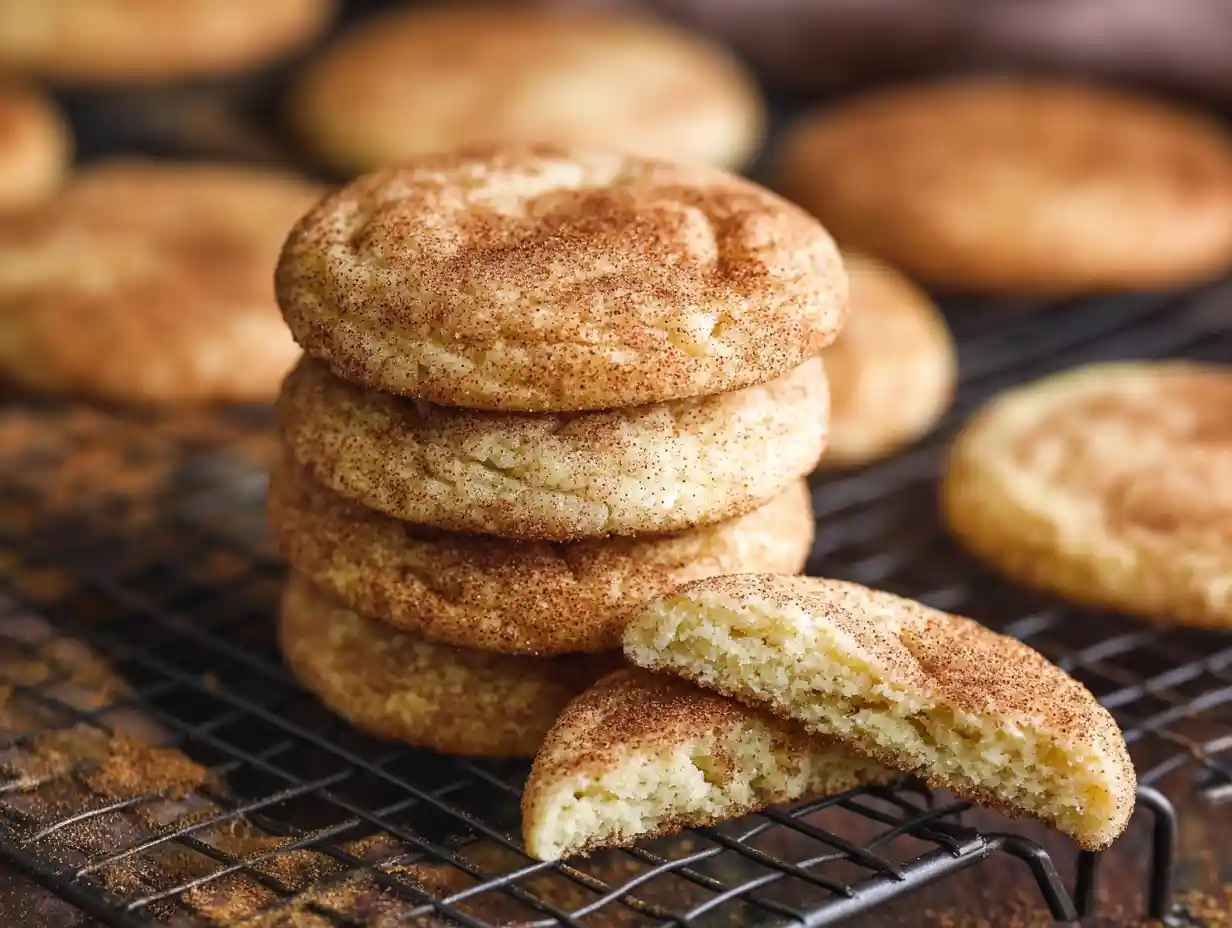
- Place the coated dough balls about 2 inches apart on an ungreased cookie sheet. Bake them for 8 to 10 minutes, or until they look set. They should have lightly golden edges but might still look a little soft in the center. This is the key to that chewy texture.
- Once baked, carefully remove the cookies from the cookie sheet and transfer them to a wire rack to cool completely. Enjoying them warm is divine, but letting them cool ensures they set up perfectly.
Nutrition
Tried this recipe?
Let us know how it was!Why You’ll Love This Snickerdoodle Recipe
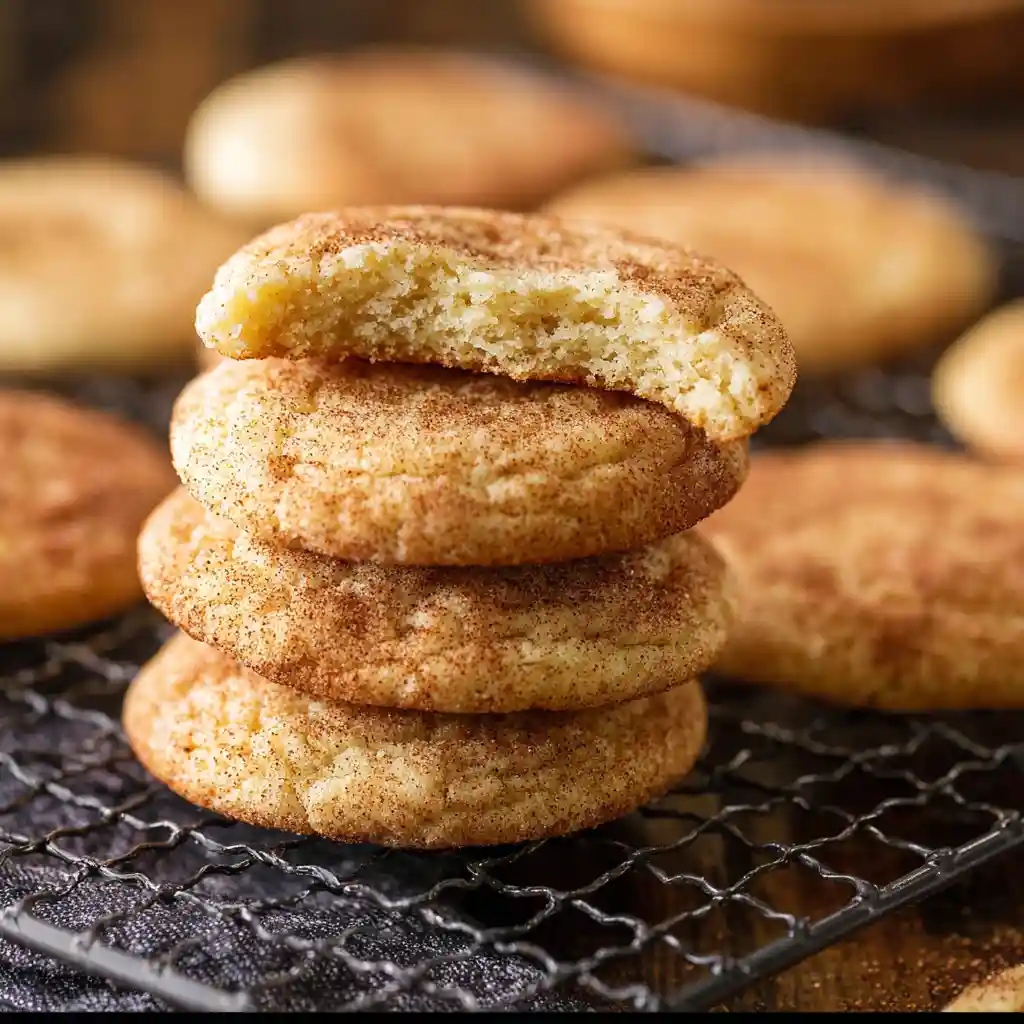
There are so many reasons why I keep coming back to this particular Snickerdoodle recipe, and I think you’ll love it too.
- Quick & Easy: This recipe is perfect for when a cookie craving strikes. You can go from measuring to mixing to baking in under 30 minutes.
- Simple Ingredients: I bet you already have most of what you need in your pantry. It uses everyday baking staples for delicious results.
- Perfect Texture: These cookies bake up with that ideal balance of soft and chewy centers and a delightful slightly crisp edge.
- Irresistible Flavor: The tangy cream of tartar combined with the sweet cinnamon-sugar coating is pure cookie perfection.
A Brief History of Snickerdoodles
The Snickerdoodle is a beloved cookie with a name that’s almost as fun to say as it is to eat. While its exact origins are a bit fuzzy, many believe the cookie has German roots, possibly stemming from a cookie called “Zimtsterne” (cinnamon stars). The name “Snickerdoodle” itself is thought to be a playful corruption of German words or perhaps inspired by a whimsical, nonsensical name popular in the United States during the late 19th century.
These cookies evolved from simpler sugar cookies by the addition of cream of tartar and baking soda, which give them their characteristic tang and soft, chewy texture. They became a popular treat in American kitchens, especially during holiday seasons, and have remained a comforting classic for generations. I love that it’s a cookie with such a simple, humble beginning but such a universally loved flavor profile.
Essential Baking Equipment
To make these delicious cookies, you won’t need any fancy gadgets. Here’s what I keep handy in my kitchen:
- Large Mixing Bowl: For combining all the wet and dry ingredients.
- Small Bowl: Perfect for mixing up the cinnamon-sugar coating.
- Measuring Cups and Spoons: Accuracy is key for the perfect cookie texture. For dry ingredients like flour, spoon it into the cup and level it off with a straight edge, rather than scooping directly from the bag. This prevents packing too much flour.
- Whisk or Spoon: For mixing the dough.
- Cookie Sheet: You’ll need at least one, preferably two, ungreased baking sheets.
- Wire Rack: Essential for cooling the cookies properly so they don’t get soggy bottoms.
- Oven: Of course, you’ll need an oven! I always preheat mine thoroughly.
Classic Snickerdoodles Ingredients
Here are the ingredients you’ll need to make my favorite batch of Classic Snickerdoodles:
- 1 1/2 cups sugar
- 1/2 cup salted butter, softened
- 1/2 cup vegetable shortening
- 2 large eggs
- 2 3/4 cups Gold Medal™ All Purpose Flour
- 2 teaspoons cream of tartar
- 1 teaspoon baking soda
- 1/4 teaspoon salt
- 1/4 cup sugar (for coating)
- 2 teaspoons ground cinnamon (for coating)
Understanding the Ingredients: Why These and Not Others?
Every ingredient plays a crucial role in achieving that perfect Snickerdoodle texture and flavor. Let me break down why I use each one:
- Sugar (1 1/2 cups): This isn’t just for sweetness. Sugar contributes to the cookie’s tenderness and helps it spread. When creamed with butter and shortening, it creates air pockets that make the cookies light.
- Salted Butter (1/2 cup, softened): Butter adds a rich flavor that shortening alone can’t provide. Softened butter is crucial for creaming properly with sugar, creating a light and fluffy base. Using salted butter adds a touch more flavor complexity.
- Vegetable Shortening (1/2 cup): Shortening is what gives Snickerdoodles their characteristic soft and chewy texture. It has a higher melting point than butter, which helps the cookies hold their shape better while baking and prevents them from spreading too much. It also contributes to a lighter crumb.
- Large Eggs (2): Eggs act as a binder, holding all the ingredients together. They also add moisture and richness to the dough, contributing to chewiness.
- Gold Medal™ All Purpose Flour (2 3/4 cups): All-purpose flour provides the structure for the cookies. Measuring it correctly is key; too much flour can make cookies dry and tough.
- Cream of Tartar (2 teaspoons): This is the “secret” ingredient that truly defines a Snickerdoodle! Cream of tartar, an acidic salt derived from grapes, reacts with the baking soda to create leavening, giving the cookies a characteristic tang and a soft, chewy texture. It also helps prevent the sugar from crystallizing.
- Baking Soda (1 teaspoon): This is the primary leavening agent in the cookie dough. When combined with the acid from the cream of tartar, it creates carbon dioxide gas bubbles that help the cookies rise and spread.
- Salt (1/4 teaspoon): Salt enhances all the other flavors in the cookie, balancing the sweetness and adding depth.
- 1/4 cup Sugar & 2 teaspoons Ground Cinnamon: This simple mixture creates the iconic crispy, sweet, and warmly spiced coating that makes a Snickerdoodle truly a Snickerdoodle. I love a good, fragrant cinnamon for this.
How to Make Classic Snickerdoodles: Step-by-Step
Making these cookies is incredibly rewarding, and I’m here to guide you through every step.
- Preheat Your Oven: First things first, heat your oven to 400°F. This ensures the cookies bake evenly from the moment they go in.
- Cream the Wet Ingredients: In a large bowl, I like to combine the 1 1/2 cups of sugar, the softened salted butter, and the vegetable shortening. Then, I add the two large eggs. I mix this all together until it’s wonderfully light and creamy. This usually takes about a minute with my electric mixer.
- Incorporate Dry Ingredients: Now, I’ll add the Gold Medal™ All Purpose Flour, the cream of tartar, the baking soda, and the salt. I mix these in just until the dry ingredients are incorporated. Be careful not to overmix here; about 30 seconds is usually perfect. Overmixing can develop the gluten in the flour, leading to tougher cookies.
- Prepare the Cinnamon-Sugar Coating: In a separate small bowl, I mix together the 1/4 cup of sugar and the 2 teaspoons of ground cinnamon. This is what will give our cookies their signature flavor and texture.
- Shape and Coat the Dough: I then shape the dough into 1 1/4-inch balls. You can use a cookie scoop for consistency. Once they’re rolled into balls, I generously roll each one in the prepared cinnamon-sugar mixture, making sure they’re well coated.
- Bake to Perfection: Place the coated dough balls about 2 inches apart on an ungreased cookie sheet. Bake them for 8 to 10 minutes, or until they look set. They should have lightly golden edges but might still look a little soft in the center. This is the key to that chewy texture.
- Cool Down: Once baked, carefully remove the cookies from the cookie sheet and transfer them to a wire rack to cool completely. Enjoying them warm is divine, but letting them cool ensures they set up perfectly.
Snickerdoodle Variations: Beyond the Classic
While I adore the classic version, there’s so much fun to be had experimenting with Snickerdoodles! Here are a few ideas that I’ve enjoyed:
| Variation | Key Ingredient Additions/Substitutions | Special Instructions |
|---|---|---|
| Stuffed Snickerdoodles | Cream cheese filling, chocolate chips, or a dollop of cookie butter | Prepare two dough balls, place filling in between, and seal edges. |
| Snickerdoodle Blondies | Use a blondie base recipe and incorporate cinnamon-sugar coating. | Press dough into a pan, swirl cinnamon sugar on top before baking. |
| Gluten-Free Snickerdoodles | Use a good quality gluten-free all-purpose flour blend. | Ensure your GF blend has xanthan gum, or add it according to package directions. Texture might be slightly different. |
| Vegan Snickerdoodles | Use vegan butter, a flax egg (1 tbsp flaxseed meal + 3 tbsp water), and ensure shortening is plant-based. | May require slight adjustments to baking time for best texture. |
| Lemon Snickerdoodles | Add 1-2 tsp lemon zest to the dough and a little lemon juice to coating. | Enhances the tanginess beautifully. |
Troubleshooting Your Snickerdoodles
Even the best bakers run into cookie challenges sometimes! Here are a few common issues and how I tackle them:
- Why are my cookies flat? This can happen if your butter and shortening are too soft, or if you used too much sugar. It can also be caused by an oven that isn’t hot enough, leading the cookies to spread too quickly. Make sure your ingredients are properly softened (not melted!) and your oven is accurately preheated.
- Why aren’t they chewy? Overbaking is the usual culprit here. Snickerdoodles are best when slightly underbaked in the center. Pull them out when the edges are set but the middle still looks a bit soft. They will continue to firm up as they cool on the baking sheet.
- Why are they tough or dry? This usually means too much flour was used, or the dough was overmixed. Always spoon and level your flour, and mix just until combined. Another reason could be overbaking.
- Why aren’t they spreading? If your cookies aren’t spreading enough, your butter and shortening might have been too cold, or your oven wasn’t quite hot enough. Ensure your butter and shortening are softened and your oven reaches the correct temperature before baking.
Storing Snickerdoodles: Keeping Them Fresh
To keep these delightful cookies fresh, I always let them cool completely first. Once cooled, I store them in an airtight container at room temperature. They usually stay wonderfully soft and chewy for about 3 to 5 days. I often place a slice of bread in the container to help maintain moisture, though it’s not always necessary.
Freezing Snickerdoodles: Dough vs. Baked Cookies
Both unbaked dough and baked cookies freeze beautifully, which is fantastic for future cookie emergencies!
- Freezing Dough: I shape the dough into balls, roll them in the cinnamon-sugar mixture, and then place them on a baking sheet to freeze until solid. Once frozen, I transfer the dough balls to a freezer-safe bag or container. When you’re ready to bake, you can bake them directly from frozen, just adding a couple of extra minutes to the baking time.
- Freezing Baked Cookies: Make sure the cookies are completely cooled. Then, stack them with parchment paper in between in an airtight container or freezer bag. They’ll keep well for up to 3 months. Thaw them at room temperature.
High Altitude Adjustments for Snickerdoodles
Baking at high altitudes (above 3,000 feet) can sometimes affect cookie texture. Here are a few adjustments that often help:
- Reduce Sugar: High altitudes can cause baked goods to spread more, so try reducing the sugar by 1-2 tablespoons.
- Increase Flour: Sometimes, a slight increase in flour (about 1 tablespoon) can help provide more structure.
- Add Liquid: You might need to add a touch more liquid, like a teaspoon of milk, if the dough seems too dry.
- Baking Temperature: You might need to slightly increase your oven temperature by 15-25°F to help set the cookies faster.
Frequently Asked Questions
I get asked a lot of questions about Snickerdoodles, and here are some of the most common ones:
Why do Snickerdoodle cookies use cream of tartar?
As I mentioned before, cream of tartar is essential for the classic Snickerdoodle flavor and texture. It reacts with the baking soda to create leavening, giving the cookies their signature tang and tender chew. It also helps prevent sugar crystallization.
What’s the difference between sugar cookies and Snickerdoodles?
While they are related, the key difference is the use of cream of tartar and baking soda in Snickerdoodles, which provides their unique tangy flavor and soft, chewy texture. Sugar cookies can vary widely but often rely solely on baking powder or soda for leavening and don’t have that distinct tang. Also, Snickerdoodles are typically rolled in cinnamon sugar.
Did you know the average chocolate chip cookie contains wheat flour, chocolate liquor and cocoa butter?
For more great sweets and desserts, check out these bakes and sweets recipes.
Conclusion
There you have it – my go-to recipe for Classic Snickerdoodles! They’re simple, comforting, and always a hit. I truly hope you find as much joy in making and eating these as I do.
Have you tried making these Snickerdoodles? I’d love to hear all about your experience! Please share your thoughts, any variations you tried, or any questions you might have in the comments below. Happy baking!