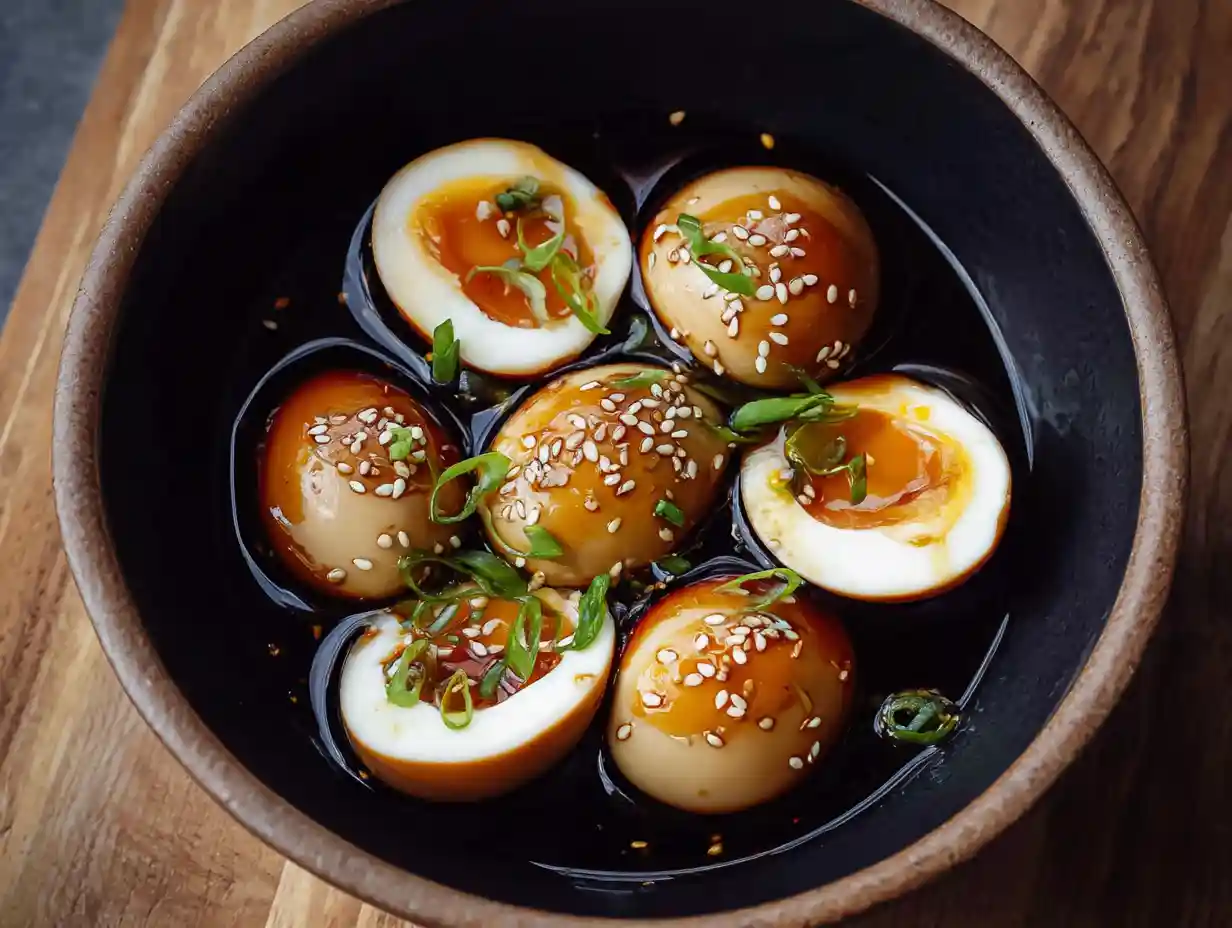

I have a real soft spot for deeply savory, umami-rich flavors, and when I discovered the magic of marinated eggs, it was love at first bite. These “soy sauce eggs,” also known as ajitsuke tamago, are such a perfect snack or a fantastic way to elevate any meal.
While they require a bit of patience because of the overnight marination, the active preparation time is surprisingly short. I’m so excited to share my straightforward recipe for these flavor-packed delights with you.
Table of Contents
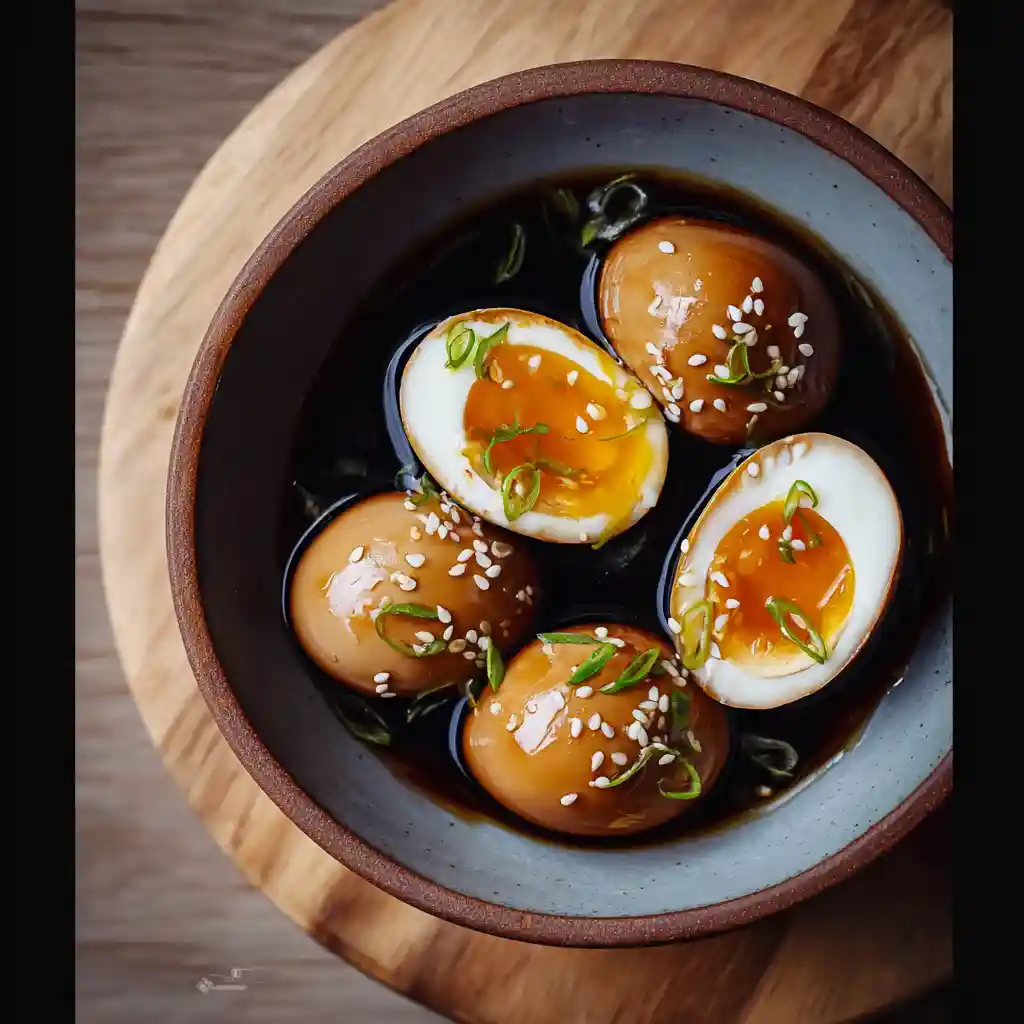

Mayak Soy Sauce Eggs
Ingredients
Equipment
Method
- In a quart-sized jar or container (with a lid), whisk together the soy sauce, water, apple cider vinegar, brown sugar, chili garlic sauce, and scallions.
- Place the eggs in the soy sauce mixture, making sure they’re all submerged.
- Seal with the lid and marinate in the refrigerator overnight/8 hours. (Marinating for just a few hours will give you a subtle salty soy sauce flavor, while soaking overnight will make the color and flavor much deeper and better.)
- Remove the eggs from the liquid and serve as desired. We love them sliced in half with a bit of fresh cracked pepper, sesame oil, pickled red onion, and diced scallions. They’re also fantastic over ramen, rice, or a salad for a quick, filling meal.
Nutrition
Notes
Tried this recipe?
Let us know how it was!Why You’ll Love This Soy Sauce Eggs Recipe
I think you’ll find this recipe is a winner for so many reasons. It’s incredibly simple to whip up, uses ingredients I bet you already have in your pantry, and delivers a perfectly balanced flavor profile.
- Quick Prep Time: Most of the magic happens in the fridge, not on the stove.
- Accessible Ingredients: You won’t need to hunt for obscure items.
- Flavor Harmony: A delightful mix of savory, subtly sweet, and a hint of spice.
The History and Variations of Soy Sauce Eggs
The concept of marinating eggs in seasoned liquids is found in many Asian cuisines, with each region putting its unique spin on it. In Japan, you’ll often find them as a key component in ramen bowls, with a marinade typically featuring soy sauce, mirin, and sake. Korean variations, known as gyeran jjim in a more stewed form or ganjang gyeran when marinated, might incorporate different pastes or spices.
These eggs are more than just a condiment; they’re a cultural touchstone, representing comfort food and accessible protein across different culinary traditions. For example, the USDA’s FoodData Central provides detailed nutritional information on eggs, including their protein content.
Ingredients for Perfect Soy Sauce Eggs
Every ingredient in this marinade plays a crucial role in creating that irresistible flavor.
- Low-Sodium Soy Sauce: This forms the savory backbone of our marinade. Using low-sodium gives me more control over the final saltiness, allowing the other flavors to shine through.
- Water: It helps to dilute the soy sauce slightly, preventing the eggs from becoming overly salty and ensuring a more even flavor distribution.
- Apple Cider Vinegar: A touch of acidity brightens the marinade and adds a subtle tang that balances the richness of the soy sauce.
- Brown Sugar: This brings a gentle sweetness that rounds out the savory notes and helps create that beautiful, deep color on the eggs.
- Chili Garlic Sauce: For a welcome little kick of heat and an extra layer of savory complexity.
- Scallions: These add a fresh, oniony bite to the marinade, and I love to include some for garnish too.
- Large Hard-Boiled Eggs: The star of the show! Whether you prefer them fully hard-boiled or with a jammy, soft-boiled yolk, they both work beautifully. I often opt for organic or pasture-raised eggs for their richer yolks. You can find nutritional labels for soy marinated soft boiled eggs to see a detailed nutrition breakdown.
Soy Sauce Eggs Recipe
Here’s how I bring these flavorful eggs to life. It’s straightforward and yields fantastic results.
Ingredients
- 1 cup low-sodium soy sauce
- 6 tablespoons water
- 3 tablespoons apple cider vinegar
- 2 tablespoons brown sugar
- 1 teaspoon chili garlic sauce
- 2 scallions (diced)
- 6 large hard boiled eggs (peeled (or soft boiled))
Instructions
- In a quart-sized jar or container (with a lid), whisk together the soy sauce, water, apple cider vinegar, brown sugar, chili garlic sauce, and scallions.
- Place the eggs in the soy sauce mixture, making sure they’re all submerged.
- Seal with the lid and marinate in the refrigerator overnight/8 hours. (Marinating for just a few hours will give you a subtle salty soy sauce flavor, while soaking overnight will make the color and flavor much deeper and better.)
- Remove the eggs from the liquid and serve as desired. We love them sliced in half with a bit of fresh cracked pepper, sesame oil, pickled red onion, and diced scallions. They’re also fantastic over ramen, rice, or a salad for a quick, filling meal.
Tips for Making the Best Soy Sauce Eggs
Achieving that perfect flavor and texture is all about a few simple practices. The marinating time is truly key. If I’m in a rush, a few hours will infuse a nice, light soy flavor. However, for that deep, rich, and complex taste that I adore, letting them sit overnight in the refrigerator is absolutely the way to go. This extended period allows the marinade to penetrate the egg white and imbue the yolk with incredible flavor.
Delicious Serving Suggestions for Soy Sauce Eggs
These soy sauce eggs are incredibly versatile. I find myself adding them to all sorts of dishes!
- Over Steamed Rice: A classic for a reason. Slice the egg in half and place it atop a bowl of fluffy white or brown rice. A drizzle of sesame oil and some toasted sesame seeds take it to the next level.
- In Ramen: This is perhaps their most famous role. Nestled in a steaming bowl of ramen, the jammy yolk adds an unparalleled richness.
- On a Salad: For a protein boost, chop them up and add them to any green salad. They pair wonderfully with Asian-inspired dressings.
- In Sandwiches: Imagine a simple egg salad sandwich, but elevated. Slice the eggs thinly and layer them into your favorite bread with a bit of mayo and greens.
- As Part of a Bento Box: They make a beautiful and tasty addition to a packed lunch, adding color and flavor.
- With Avocado Toast: Mash half an avocado on toast, top with sliced soy sauce eggs, a sprinkle of chili flakes, and a squeeze of lime. It’s a gourmet breakfast or snack!
How to Store Soy Sauce Eggs Properly
Proper storage is essential for both flavor and food safety. I always keep my marinated soy sauce eggs in an airtight container, submerged in their marinade liquid. This helps maintain their moisture and prevents them from drying out while keeping them safe to eat. I store them in the coldest part of my refrigerator, typically on a lower shelf.
Generally, I aim to consume them within 3 to 4 days for the best quality and safety. Always check for any off smells or textures before eating. I love to pair these eggs with a quick and delicious Quick and Easy Korean Ground Beef Bowl Recipe for a hearty meal.
Can You Freeze Soy Sauce Eggs?
Freezing soy sauce eggs isn’t something I typically do because the texture of the egg white can become quite rubbery and watery upon thawing. While the flavor might still be acceptable, the change in texture is usually significant enough that I prefer to enjoy them fresh within a few days of marinating.
If you do decide to freeze them, I would recommend freezing them in their marinade to help retain some moisture, but be prepared for a different texture experience once thawed. As an alternative, you can explore other snacks and drinks to make instead.
Ingredient Substitutions for Dietary Needs
Here’s a quick guide to common substitutions you can make to fit different dietary needs:
| Dietary Need | Substitution | Notes |
|---|---|---|
| Gluten-Free | Tamari or Coconut Aminos (instead of soy sauce) | Ensure the substitute is certified gluten-free. Tamari will offer a similar savory depth. |
| Lower Sodium | Use significantly less soy sauce or tamari. | You may need to add a pinch more sugar or a dash of salt to compensate for flavor loss. |
| Vegan/Vegetarian | Marinated Tofu or Tempeh | Marinate firm or extra-firm tofu/tempeh in the same marinade for a similar umami punch. |
| Reduced Sugar | Use less brown sugar or omit it entirely. | The eggs will be less deeply colored and slightly less balanced in flavor. |
| Spice-Free | Omit chili garlic sauce. | You can add a pinch of black pepper for a subtle warmth without the heat. |
Troubleshooting Common Problems
Even with the best intentions, sometimes things don’t go exactly as planned. Here are a few issues I’ve encountered and how I’ve solved them:
- Rubbery Eggs: This usually happens if the eggs are overcooked initially. When boiling eggs, I always aim for a jammy yolk, which means cooking them for about 6-7 minutes. If you prefer fully hard-boiled, ensure you don’t overcook them.
- Marinade Not Flavorful Enough: This could be due to insufficient marinating time or not enough saltiness in the base liquid. Try marinating for the full overnight period, or if you used a very mild soy sauce, consider a slightly stronger one next time.
- Eggs Too Salty: If your eggs turn out too salty, it might be because you used a regular or high-sodium soy sauce. Next time, opt for low-sodium soy sauce or tamari. You can also try adding a bit more water or a touch more sugar to the marinade to balance the saltiness.
Frequently Asked Questions
I get asked a lot about these delicious eggs, so here are some common questions:
Can I vary the ingredients in the marinade?
Absolutely! Feel free to experiment. Some people add a splash of mirin, sake, or even a star anise for a different aromatic profile.
Does it matter how long I marinate them for?
Yes, it greatly affects the flavor. A few hours gives a subtle taste, while overnight provides a much deeper, richer flavor and color.
Can I use the marinade again for another batch?
I generally don’t recommend reusing the marinade for a second batch of eggs, especially after they’ve been in there for a long time. The liquid can become diluted and may not impart as strong a flavor.
How can you adjust the recipe for different spice levels?
For more heat, simply add more chili garlic sauce or a pinch of red pepper flakes to the marinade. For less spice, reduce or omit the chili garlic sauce.
Conclusion
I truly hope you give my easy soy sauce eggs recipe a try. They are such a simple yet impactful way to add a burst of savory goodness to your meals. The minimal effort required for such a flavorful result is, in my opinion, pure kitchen magic. I can’t wait to hear about your experience with them! Please leave a comment below sharing your results, any variations you tried, or how you enjoyed them. Your feedback is always so inspiring to me!